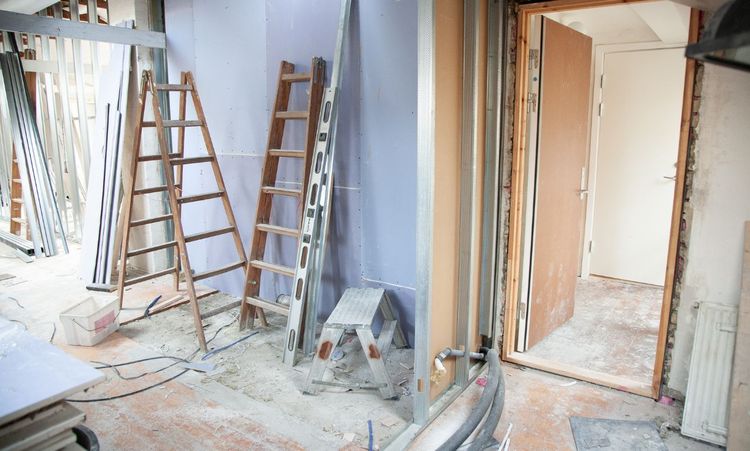
Poor artistry isn't always obvious on the day a project is finished. Fresh paint, clean surfaces, and polished fixtures can hide mistakes that only become visible weeks or months later. Knowing what common signs of poor artistry are helps homeowners identify problems early, avoid expensive repairs, and ensure they receive the quality they paid for.
Understanding What Defines Quality Workmanship
Quality artistry is more than attractive finishes. It reflects careful planning, proper installation techniques, suitable materials, and attention to detail throughout every stage of a project. A well-completed renovation or repair should not only look good but also perform reliably for years.
By contrast, poor artistry often results from rushing the job, ignoring manufacturer guidelines, cutting costs on materials, or lacking the necessary skills. Some flaws affect appearance alone, while others create safety hazards or shorten the lifespan of the entire project.
The Difference Between Cosmetic Flaws and Serious Construction Defects
Not every imperfection indicates poor artistry. A tiny paint touch-up or a minor surface scratch can happen during normal construction and is usually easy to correct.
Serious artistry issues are different. These defects interfere with how something functions or compromise safety. Examples include leaking pipes, uneven flooring, loose roof shingles, faulty electrical wiring, or doors that no longer close properly because of poor installation.
Understanding this distinction helps homeowners prioritize repairs rather than focusing on harmless cosmetic imperfections.
Why Poor Workmanship Can Lead to Higher Costs, Safety Risks, and Reduced Property Value
Poor artistry rarely stays a small problem. Water entering through poorly sealed windows may eventually damage drywall, insulation, and flooring. Improper electrical work increases fire risks, while weak structural repairs can become dangerous over time.
Beyond repair costs, visible defects often reduce buyer confidence during property sales. Home inspections frequently uncover artistry issues, giving buyers leverage to negotiate lower prices or request repairs before closing.
A well-executed project protects both the property's appearance and its long-term value.
Visible Signs of Poor Workmanship
Many of the most common signs of poor artistry can be identified through a careful visual inspection. These problems often reveal themselves through inconsistent finishes or poor attention to detail.
Uneven Finishes, Poor Alignment, and Inconsistent Installation Quality
One of the clearest warning signs is uneven artistry across different parts of the project. Quality contractors strive for consistency because precision reflects professional standards.
You may notice uneven paint coverage, crooked trim, visible gaps around molding, misaligned cabinets, or tiles with irregular spacing. Flooring may squeak, bounce, or appear uneven when walked on. Doors may rub against frames, while windows may stick or fail to lock properly.
These issues often suggest inadequate measuring, poor installation techniques, or insufficient quality control before the project was completed.
Warning Signs in Plumbing, Electrical, Roofing, Flooring, and Paintwork
Every trade has indicators that reveal artistry quality.
Plumbing problems may include leaking joints, low water pressure after installation, loose fixtures, or poorly sealed sinks and bathtubs.
Electrical work should never produce flickering lights, warm outlets, exposed wiring, or frequently tripping circuit breakers. These problems require immediate professional attention.
Roofing defects often appear as loose shingles, uneven flashing, exposed nails, or gutters that fail to direct water away from the home.
Flooring should remain level, securely attached, and free from lifting edges or hollow-sounding sections.
Paintwork also tells a story. Drips, roller marks, peeling, uneven color, and paint covering hardware or electrical outlets usually indicate rushed preparation rather than professional finishing.
Hidden Problems That Often Appear After the Project Is Complete
Some artistry defects remain hidden until the property experiences changing weather, regular use, or the natural settling that occurs after construction.
Moisture Damage, Structural Weaknesses, and Poor Material Performance
Water is one of the most common consequences of poor artistry. Improper waterproofing around roofs, windows, bathrooms, or foundations allows moisture to enter areas that should remain dry.
Early warning signs include musty odors, bubbling paint, damp drywall, mold growth, warped flooring, or unexplained stains on ceilings.
Structural weaknesses may develop more gradually. Cracks widening over time, sagging floors, shifting stairs, or separating walls can indicate that critical structural elements were not properly installed.
Poor artistry also affects material performance. Cheap adhesives may fail prematurely, improperly installed insulation reduces energy efficiency, and poorly secured fixtures loosen with everyday use.
These issues often become significantly more expensive if left unaddressed.
How Inadequate Planning and Lack of Building Code Compliance Create Long-Term Issues
Construction quality depends as much on planning as execution. Contractors who skip preparation often create problems that only emerge later.
Improper grading around a home may direct rainwater toward the foundation instead of away from it. Insufficient ventilation inside attics or crawl spaces encourages moisture buildup and mold growth. Incorrect drainage can damage landscaping and weaken foundations over time.
Building codes exist to reduce these risks. Failure to meet local codes may affect insurance claims, delay property sales, or require costly corrective work during future inspections.
How to Evaluate the Quality of a Contractor's Work
Evaluating artistry requires more than looking at the finished appearance. A thorough assessment considers functionality, durability, documentation, and professional standards.
Inspection Techniques Homeowners Can Use Before Making Final Payment
Before approving final payment, walk through every completed area carefully. Test every door, window, faucet, switch, appliance, and fixture. Open cabinets, inspect corners, and look closely at finishes under natural lighting.
Pay attention to consistency rather than isolated imperfections. Professional artistry appears uniform throughout the project, with clean lines, secure installations, and properly finished details.
Take photographs of anything that raises concern. Creating a written punch list gives contractors a clear opportunity to correct remaining issues before the project officially concludes.
If the work involves major structural changes, roofing, electrical systems, plumbing, or extensive renovations, hiring an independent inspector can provide valuable peace of mind.
Documents, Warranties, Certifications, and Building Inspections That Protect Your Investment
Professional contractors stand behind their work with proper documentation.
You should receive written warranties explaining what is covered and for how long. Material warranties from manufacturers should accompany products such as roofing systems, flooring, windows, or appliances.
Permits and inspection approvals confirm that required stages of construction met local standards. Contractors should also provide operating instructions, maintenance recommendations, and documentation for installed equipment whenever appropriate.
Good documentation reflects organized project management and strengthens your protection if problems develop later.
Preventing Poor Workmanship Before and During a Project
Avoiding poor artistry begins long before construction starts. Careful contractor selection and active communication significantly reduce the chances of costly mistakes.
Choosing Qualified Contractors, Comparing Quotes, and Checking Previous Projects
The lowest price rarely guarantees the best value. Extremely low estimates may indicate shortcuts in labor, materials, or project planning.
Research contractors thoroughly before making a decision. Verify licenses where required, confirm insurance coverage, read recent customer reviews, and request references from similar completed projects.
Viewing previous work often provides better insight than marketing photographs alone. Speaking with former clients can reveal how the contractor handled communication, scheduling, unexpected problems, and warranty issues after completion.
Clear written contracts also help establish expectations regarding materials, timelines, payment schedules, and project scope.
Best Practices for Monitoring Progress and Resolving Problems Early
Homeowners don't need construction expertise to monitor a project effectively. Regular communication often prevents small concerns from becoming major disputes.
Visit the site periodically, ask questions about unexpected changes, and request updates whenever significant milestones are reached. Address concerns immediately rather than waiting until the project is complete.
Maintain written records of conversations, approvals, and requested changes. If disagreements arise, documented communication provides a clear reference for both parties.
Most reputable contractors appreciate prompt feedback because correcting minor issues during construction is usually faster and less expensive than making repairs after completion.
Conclusion
Understanding what common signs of poor artistry are allows homeowners to protect both their investment and their safety. Visible flaws such as uneven finishes and poor alignment often point to larger quality concerns. At the same time, hidden defects involving moisture, structural integrity, or code compliance may take longer to appear.
The best defense is careful planning before hiring a contractor, thorough inspections during the project, and detailed reviews before final payment. Recognizing common signs of poor artistry early allows you to request corrections before minor defects become costly repairs.