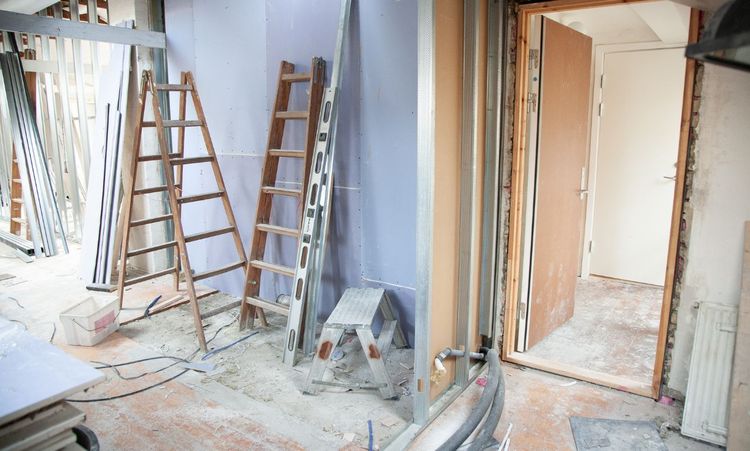
Renovating a home feels exciting until you realize the process can release more toxins into your living space than you ever expected. Dust, fumes, solvents, adhesives, and hidden contaminants can easily enter the air and settle in areas where your family eats, sleeps, and relaxes.
Many homeowners begin renovations with inspiration boards and design ideas. But once demolition begins, priorities shift quickly. The real focus becomes protecting your home’s air quality and your family’s health.
Asking What are the Ways to Reduce Toxins During a Renovation? becomes less about curiosity and more about safety.
Airborne irritants can cause headaches, coughing, respiratory discomfort, dizziness, and fatigue. Infants, pregnant women, elderly family members, and pets are particularly vulnerable.
The good news is that renovation projects don’t have to compromise your health. With thoughtful planning, safer materials, and smart safety strategies, you can upgrade your home while keeping your environment clean and safe.
Pre-Renovation Assessments
Identifying Hidden Hazards Before Work Begins
Before starting demolition or construction, it’s important to understand what materials already exist inside your home.
Older homes may contain asbestos insulation, lead-based paint, mold growth, or chemical residues from older building materials. Even modern homes can contain volatile organic compounds (VOCs) in flooring adhesives, paints, carpets, and pressed wood products.
Professional testing helps identify these risks before they are disturbed during renovation.
For example, one couple discovered through testing that their attic insulation contained asbestos. Because they identified it early, trained specialists removed it safely before renovation began.
Without testing, the fibers could have been released into the entire home.
Understanding your home’s materials allows you to plan safe renovations while avoiding serious health risks.
Strategic Material Selection
Choosing Safer Renovation Materials
When selecting renovation materials, appearance should never outweigh safety.
Many building products release chemicals into the air after installation. Flooring adhesives, sealants, stains, paints, and insulation products often contain VOCs that affect indoor air quality.
Choosing low-VOC or zero-VOC materials significantly reduces harmful emissions.
For example, some homeowners discover too late that certain laminate flooring adhesives release strong fumes for weeks after installation. Switching to safer materials like low-VOC hardwood or certified low-emission products can dramatically improve air quality.
Thoughtful material choices help create healthier indoor environments long after the renovation is complete.
Choosing the Right Professionals
Working With Contractors Who Prioritize Safety
Not every contractor understands the importance of toxin reduction during renovation.
Some professionals continue using outdated materials or overlook air quality concerns. Homeowners benefit most from contractors who actively prioritize safe materials, containment practices, and dust control.
When interviewing contractors, ask about their experience with toxin management. Ask how they handle lead paint removal, mold issues, and dust containment.
Professionals who use HEPA vacuums, air scrubbers, and proper safety barriers demonstrate a stronger commitment to protecting your home environment.
A contractor should function as a partner in your renovation—not a risk to your household.
Effective Containment Strategies
Preventing Toxins From Spreading
Containment plays a critical role in renovation safety.
During construction, dust and particles travel surprisingly far through doorways, vents, and hallways. Plastic sheeting, sealed doorways, zippered containment barriers, and floor coverings help isolate the work area.
Without proper containment, renovation dust can settle throughout the home.
Many homeowners are surprised when dust appears in rooms far from the renovation area. This often happens when workspaces remain open or ventilation systems circulate particles.
Creating physical barriers keeps contaminants limited to the renovation zone and prevents them from spreading to the rest of the house.
Robust Ventilation During Work
Maintaining Healthy Airflow
Proper ventilation is one of the most effective ways to reduce toxin exposure during renovation.
Opening windows, running exhaust fans, and installing temporary ventilation systems help move contaminated air out of the home.
Renovation projects often release airborne pollutants such as sanding dust, paint fumes, and chemical vapors. Without airflow, these contaminants accumulate indoors.
Professional contractors may also use HEPA air scrubbers that capture particles while circulating clean air back into the workspace.
Improved airflow helps dilute airborne chemicals and maintain safer indoor air during the renovation process.
Proactive Dust Management
Reducing Airborne Particles
Construction dust is more than a minor inconvenience. It can contain allergens, silica particles, mold spores, and chemical residues from building materials.
When inhaled, these particles irritate the respiratory system and can worsen asthma symptoms.
Effective dust control includes wet sanding instead of dry sanding, covering HVAC vents, and cleaning work areas daily with HEPA filtration vacuums.
Contractors who prioritize dust control help protect both your living space and your health.
Proactive cleaning also prevents particles from lingering in carpets, furniture, and air ducts long after the renovation is finished.
Safe Handling and Disposal of Hazardous Materials
Managing Dangerous Building Materials
Hazardous materials require specialized removal and disposal procedures.
Items such as asbestos insulation, lead paint chips, old solvents, and contaminated debris cannot be safely discarded with regular household waste.
Professionals trained in hazardous material handling follow strict safety protocols to prevent contamination.
Attempting to remove hazardous materials without proper training can create serious health risks.
Responsible disposal protects both your household and the surrounding environment.
Accelerating Off-Gassing
Helping New Materials Release Chemicals Faster
Many new building materials release chemicals through a process known as off-gassing.
Products like carpets, adhesives, cabinets, and paints may emit VOCs for days or even weeks after installation.
Ventilation speeds up the off-gassing process, allowing chemicals to dissipate more quickly.
Temperature also affects emissions. Warmer environments often accelerate the release of VOCs, helping materials finish off-gassing sooner.
Some homeowners temporarily store new materials in garages or ventilated spaces before installation to reduce indoor exposure.
Allowing materials to air out can significantly improve indoor air quality once renovation is complete.
Final Material Applications
Choosing Safer Finishes
The final stages of renovation often involve painting, staining, sealing, and finishing surfaces.
These products can produce strong fumes if not selected carefully.
Using low-VOC or zero-VOC paints and sealants reduces lingering chemical exposure.
Proper curing time also matters. Applying multiple layers too quickly can trap fumes and prolong off-gassing.
Allowing finishes to cure fully ensures a cleaner, healthier indoor environment.
Post-Installation Cleanup
Restoring Clean Indoor Air
Even after construction ends, dust and contaminants may remain throughout the home.
Post-renovation cleaning is essential for restoring indoor air quality.
Effective cleaning includes HEPA vacuuming floors and furniture, wiping surfaces with microfiber cloths, washing fabrics, and replacing HVAC filters.
Professional post-construction cleaning services can remove fine dust particles that ordinary cleaning may miss.
A thorough cleanup ensures your renovated space feels fresh, healthy, and ready to enjoy.
Conclusion
Asking What are the Ways to Reduce Toxins During a Renovation? shows a commitment to more than just beautiful design. It reflects a desire to protect your family’s health and well-being.
Renovations can uncover hidden hazards, but with careful planning, safer materials, proper containment, and good ventilation, you can create a healthier environment while upgrading your home.
Toxin reduction isn’t about fear. It’s about informed decisions.
When you approach renovation thoughtfully, you can achieve a space that is not only beautiful but also clean, safe, and comfortable for everyone who lives there.