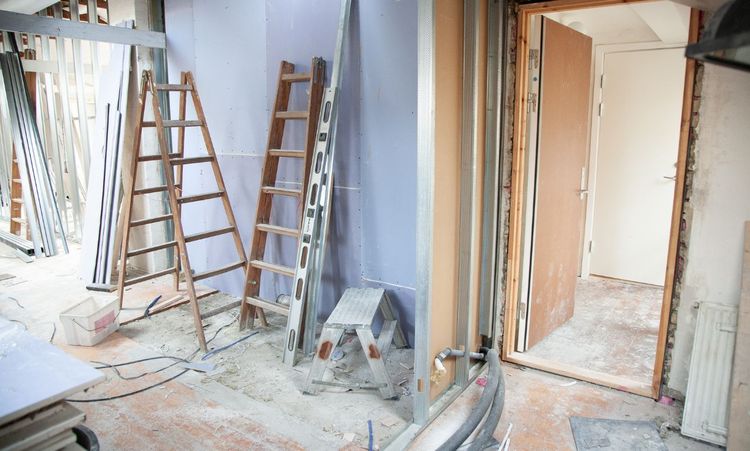
What happens when renovation work reveals older construction that no longer meets current building standards depends on much more than the property's age. Opening a wall or ceiling may expose wiring, framing, plumbing, insulation, or fire protection that would not be approved in a new building today. That discovery can change the project, but it does not always mean everything must be rebuilt.
Why Older Construction Can Differ From Current Building Standards
Buildings reflect the rules and construction knowledge available when they were built. A house completed several decades ago may have been entirely acceptable at the time, even though some features would not meet current requirements.
This distinction matters during renovation because old construction and illegal construction are not necessarily the same thing.
Building Standards Change as Risks Become Better Understood
Building regulations evolve as authorities learn more about structural performance, fire safety, electrical hazards, energy use, accessibility, ventilation, and occupant health.
Electrical systems provide a simple example. An older property may have wiring, outlets, or electrical panels installed when it was built. Modern standards may demand different protection because homes now contain far more electrical equipment.
The same principle applies elsewhere. Modern requirements may call for stronger structural connections, safer stairs, improved fire separation, better insulation, additional smoke alarms, or different plumbing materials.
Age alone, however, doesn't prove that a building is unsafe.
Existing Buildings Are Not Automatically Treated as New Construction
A common misconception is that every part of an older building must immediately comply with the latest standards once renovation begins.
In many jurisdictions, building regulations distinguish between existing construction and new work. Older features may sometimes remain if they were lawful when installed and don't create an unacceptable safety risk.
People often describe this as being grandfathered, although the legal meaning varies between jurisdictions.
The situation changes when contractors alter, replace, extend, or remove an existing component. New work will usually face current requirements more directly than untouched construction.
What Happens When Renovation Work Reveals Older Construction?
The discovery usually starts with an ordinary construction task. Contractors remove plasterboard, flooring, ceilings, cabinets, or exterior finishes and suddenly gain access to parts of the building that haven't been visible for years.
What happens next depends on what they find.
Inspectors Look at More Than the Age of the Building
A building inspector or other relevant professional may consider the original construction date, previous permits, current renovation plans, local regulations, and the condition of the exposed work.
Suppose a contractor opens a kitchen wall and discovers older electrical wiring. The inspector may not require replacing every electrical cable throughout the house simply because the wiring is old.
The answer could be different if the renovation includes replacing the electrical system in that area. Current requirements may then apply to the new work.
Local rules matter enormously. Building codes vary widely by country, state, county, and municipality. Owners should therefore avoid assuming that a requirement found online automatically applies to their property.
Unsafe Conditions Can Require Immediate Attention
Some discoveries are more serious than outdated construction methods.
A contractor might uncover badly deteriorated structural timber, overloaded electrical circuits, major water damage, unstable masonry, damaged support beams, or evidence of previous alterations that compromised the structure.
These conditions can create an immediate safety concern.
For example, imagine that removing a ceiling reveals that a previous owner cut through structural members to install plumbing. The issue is no longer simply that the building is old. Its load-bearing capacity may have been weakened.
An engineer may need to assess the structure before continuing the renovation.
Similar concerns arise with exposed electrical hazards, serious fire safety defects, extensive rot, and certain hazardous materials.
How the Scope of Renovation Can Trigger Building Upgrades
One of the most important questions is not simply what contractors discovered. It is what the renovation itself is changing.
Building regulations often treat minor repairs differently from substantial alterations, additions, and changes in how a property is used.
Repairs, Alterations, and Additions May Face Different Rules
Replacing a damaged cabinet isn't the same as removing structural walls. Painting a room isn't the same as converting a garage into living accommodation.
As the scope of work expands, more current requirements may become relevant.
Adding another story, for example, could affect structural loads throughout the building. Converting a commercial space into residential apartments could introduce different requirements for exits, fire separation, ventilation, sanitation, and accessibility.
A renovation can therefore expose an old condition while also giving authorities a new reason to examine it.
This is why permits and approved plans matter. They establish what work contractors can perform and help determine which standards apply.
Opening a Wall Does Not Necessarily Mean Rebuilding Everything
Homeowners sometimes become concerned that exposing one outdated feature will trigger a complete reconstruction.
That isn't automatically the case.
The distinction often rests on whether an existing component is being left untouched, repaired, substantially altered, or replaced. Authorities may also consider whether leaving it in place would create a safety problem.
Imagine a bathroom renovation where removing wall finishes exposes old plumbing. The pipes may still function properly and show no significant deterioration. Local rules might allow some existing sections to remain.
If the contractor relocates the bathroom fixtures and installs new pipes, however, that new plumbing will generally need to satisfy applicable current standards.
The dividing line isn't always obvious, which is why discussing unexpected discoveries with the relevant professional or building authority is safer than making assumptions on site.
Hidden Problems Can Change Renovation Costs and Timelines
Older buildings contain decades of history behind their finished surfaces. Previous repairs, leaks, alterations, pest damage, and outdated systems may remain invisible until demolition begins.
That uncertainty explains why renovation budgets can change even when the original estimate was carefully prepared.
Structural, Electrical, Plumbing, and Material Problems
Structural discoveries can be particularly expensive because they may require engineering calculations and additional construction.
Other common findings include deteriorated pipes, unsafe electrical connections, moisture damage, inadequate ventilation, missing fire protection, and insulation that doesn't meet modern expectations.
Older properties can also contain materials that require careful handling. Depending on the property's age and location, asbestos-containing products or lead-based coatings may be present.
Don't treat these discoveries as ordinary demolition waste. Testing and specialist removal may be necessary depending on local regulations and the material's condition.
A sensible renovation process separates cosmetic inconvenience from genuine risk. Old doesn't always mean dangerous, but concealed damage shouldn't be ignored simply because correcting it wasn't included in the original budget.
Unexpected Work Can Affect Permits and Schedules
A hidden problem can create a chain reaction.
An engineer may need to inspect the site. Drawings might require revision. Additional work may need approval before contractors can close walls or continue with finishes.
Material orders can change as well.
Suppose demolition exposes serious deterioration around a bathroom floor. What seemed like a straightforward tile replacement could become a repair involving damaged framing, plumbing investigation, waterproofing, and new inspections.
The additional cost isn't necessarily evidence of poor estimating. Some conditions can't be confirmed until concealed construction becomes visible.
For this reason, owners renovating older properties often benefit from keeping a contingency within the project budget.
How Property Owners Can Manage Unexpected Building Standard Issues
The first response to an unexpected discovery should be investigation, not immediate demolition.
Removing more material without understanding the problem can increase costs and sometimes destroy useful evidence about how the building was constructed.
Get the Condition Properly Evaluated
Different problems require different expertise.
Structural concerns may need an engineer. A qualified electrician should assess electrical defects. Plumbing issues may require a licensed plumber, while suspected hazardous materials can require testing by an appropriate specialist.
Photographs are also useful before covering or altering the area.
Good documentation can help designers, inspectors, contractors, and owners understand what was discovered and what corrective work followed.
Where permits are required, owners should also confirm whether the discovery changes the approved scope rather than relying solely on informal assumptions.
Plan for Uncertainty Before Renovation Starts
Owners can reduce surprises by investigating an older building before major demolition.
Previous plans, permits, inspection records, repair invoices, and renovation documents can reveal useful history. A professional survey may identify warning signs before construction begins.
Budget planning matters too.
A project that spends every available dollar on visible finishes has little flexibility when hidden structural or service problems appear. A contingency provides room to address genuine defects without immediately compromising the rest of the renovation.
The goal isn't to assume that every old building contains major problems. It is to recognize that concealed construction carries uncertainty.
Conclusion
What happens when renovation work reveals older construction that no longer meets current building standards depends on the condition discovered, the renovation scope, applicable local regulations, and whether the existing work creates a safety concern. Older construction isn't automatically defective simply because modern buildings follow different rules.
The practical response is to identify what has been exposed, determine whether it can legally and safely remain, and establish which parts of the renovation must meet current standards. Professional assessment and early communication with the relevant building authority can prevent a manageable discovery from becoming an expensive mistake.